The Tiny Molecules In Cacao Nibs That Love Your Heart and Brain
Written by Dr. Dan Gubler (shared with permission)
Walk down the snack aisle and you'll find chocolate everywhere. Unfortunately, most chocolate has been transformed into something that contains far more sugar than the original cocoa bean. During processing, many of the naturally occurring plant molecules that made cocoa famous in the scientific literature are also greatly reduced.
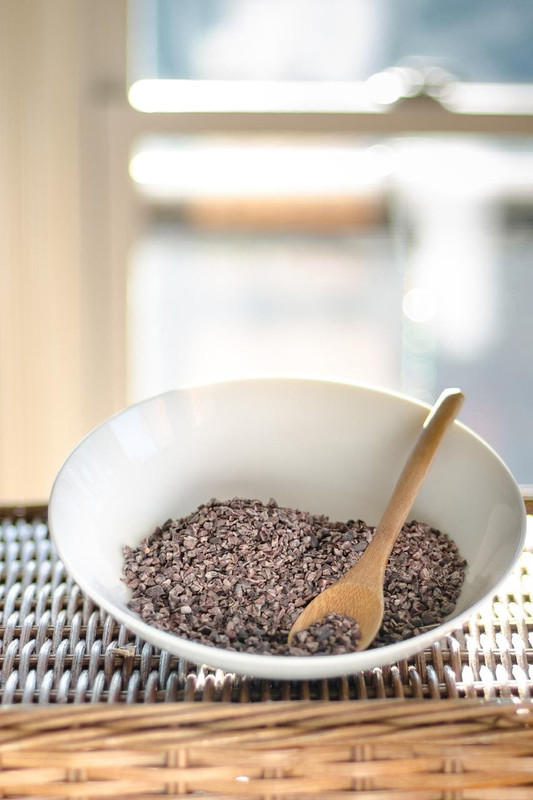
But there is a simple way to enjoy cocoa much closer to its original form: cacao nibs.
Cacao nibs are simply crushed pieces of fermented, dried, and roasted cocoa beans. They have an intensely rich chocolate flavor with very little sugar and are naturally packed with one of the most extensively studied families of plant molecules in nutrition science—cocoa flavanols.
These remarkable molecules have been investigated in hundreds of peer-reviewed studies for their effects on the cardiovascular system, the brain, metabolism, the gut microbiome, and even healthy aging.
Let's take a closer look at why these tiny molecules deserve a place in your daily routine.
The Molecules Behind the Magic
Cocoa flavanols belong to a larger family of plant compounds known as flavonoids, molecules that plants naturally produce to protect themselves from environmental stress.
The primary flavanols found in cocoa include (-)-epicatechin, (+)-catechin, and larger compounds called procyanidins.
These molecules don't simply act as antioxidants floating through the bloodstream. Modern research shows they function more like biological messengers, interacting with cells throughout the body to influence blood vessel function, inflammation, cellular signaling, and even communication between the gut and the brain.
Better Blood Pressure—Naturally
One of the strongest areas of research involves blood pressure.
Dozens of randomized clinical trials have demonstrated that cocoa flavanols can modestly lower both systolic and diastolic blood pressure, particularly in people with elevated blood pressure.
How?
Much of the benefit comes from improving the production of nitric oxide, a signaling molecule made by the cells lining our blood vessels.
Nitric oxide tells blood vessels to relax.
Relaxed blood vessels mean improved circulation, less resistance to blood flow, and healthier blood pressure.
The exciting part is that cocoa flavanols help your body produce more of its own nitric oxide rather than acting like a medication that forces blood vessels open.
A Healthier Heart
Healthy blood vessels are only the beginning.
Large clinical studies have found that higher flavanol intake is associated with improved cardiovascular health.
Research has shown cocoa flavanols may help:
- Improve endothelial function (the health of blood vessel linings)
- Increase blood flow
- Reduce arterial stiffness
- Improve cholesterol particle function
- Reduce oxidation of LDL cholesterol
- Lower inflammation
- Improve circulation throughout the body
Several long-term studies have suggested that people who regularly consume flavanol-rich cocoa foods tend to have lower rates of cardiovascular disease.
While no single food prevents heart disease, cocoa flavanols appear to support several of the body's natural protective systems at the same time.
Your Brain Likes Better Blood Flow Too
The brain only represents about 2% of our body weight but uses roughly 20% of our oxygen.
That means healthy circulation is critical.
Because cocoa flavanols improve blood vessel function, researchers naturally wondered whether they might also improve blood flow to the brain.
The answer appears to be yes.
Clinical trials have demonstrated improvements in cerebral blood flow after consuming flavanol-rich cocoa.
Other studies have reported improvements in:
- Memory
- Executive function
- Processing speed
- Attention
- Mental performance during demanding cognitive tasks
Some studies have even found greater benefits in older adults experiencing age-related cognitive decline.
Researchers believe these effects result from improved circulation, reduced oxidative stress, healthier neurons, and improved communication between brain cells.
Feeding Your Gut Microbiome
One of the newest areas of cocoa research involves the trillions of bacteria living inside your digestive tract. Interestingly, many cocoa flavanols are not fully absorbed in the small intestine. Instead, they travel into the colon where they become food for beneficial gut bacteria.
This creates a fascinating partnership.
Your gut bacteria break down cocoa flavanols into smaller molecules that can then be absorbed into the bloodstream. At the same time, these flavanols encourage the growth of beneficial bacterial species while reducing populations of less desirable microbes.
Studies have reported increases in beneficial bacteria such as Bifidobacterium and Lactobacillus, along with improvements in microbial diversity.
A healthier microbiome has been associated with improved digestion, immune function, metabolic health, and even mood.
Sometimes the greatest health benefits come not from feeding ourselves—but from feeding the microbes that help keep us healthy.
Supporting Healthy Blood Sugar
Although chocolate is often associated with sugar, cocoa flavanols themselves appear to support healthy glucose metabolism.
Clinical studies suggest cocoa flavanols may improve insulin sensitivity and help cells respond more effectively to insulin.
Improved blood vessel function may also enhance glucose delivery into muscles and other tissues.
These benefits are one reason researchers continue studying cocoa as part of dietary patterns that support metabolic health.
Of course, these benefits are most likely to occur with minimally processed cocoa—not sugar-loaded candy bars.
Helping the Body Age Well
Many of the chronic diseases associated with aging share common underlying features:
- Chronic low-grade inflammation
- Oxidative stress
- Declining blood vessel function
- Reduced mitochondrial performance
Cocoa flavanols appear to positively influence each of these biological processes.
Laboratory and clinical studies suggest these molecules help activate the body's own antioxidant defense systems rather than simply acting as antioxidants themselves.
Researchers continue investigating whether long-term flavanol intake may help preserve vascular function, cognitive health, and physical performance as we grow older.
While cocoa isn't a fountain of youth, it certainly appears to support many of the molecular systems involved in healthy aging.
More Than Just Antioxidants
One of the biggest misconceptions is that cocoa flavanols work simply because they are antioxidants.
Today's science paints a much richer picture.
These molecules appear to:
- Improve nitric oxide production
- Activate beneficial cell-signaling pathways
- Reduce inflammatory signaling
- Improve mitochondrial function
- Support healthy blood vessels
- Feed beneficial gut bacteria
- Enhance communication between cells
In other words, cocoa flavanols don't just protect cells—they help cells function better.
That is an important distinction.
How Much Should You Eat?
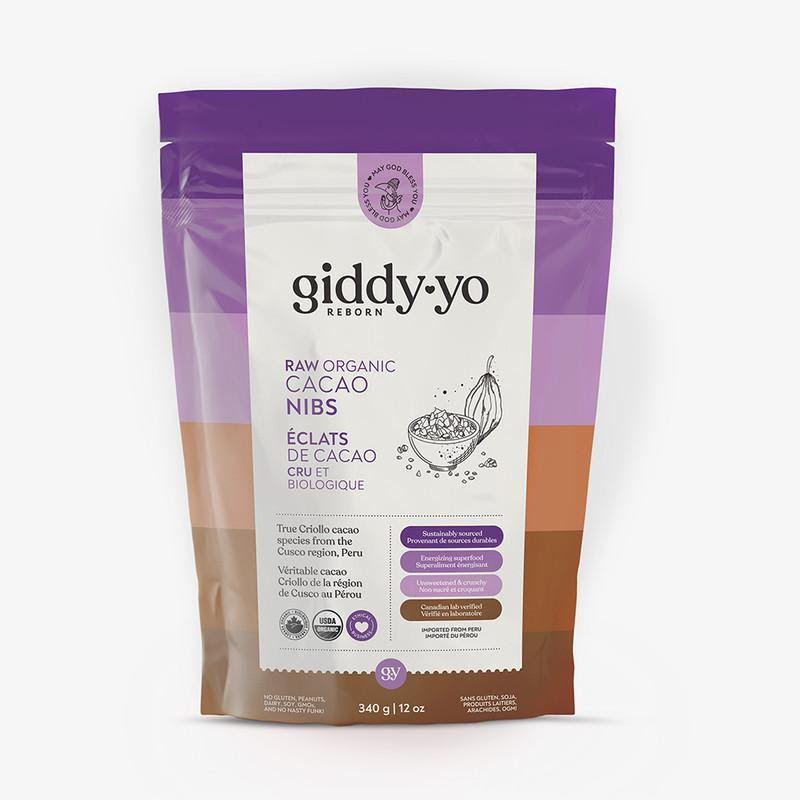
The scientific literature suggests that about two tablespoons of cacao nibs each day is an excellent way to obtain a meaningful amount of naturally occurring cocoa flavanols.
Cacao nibs can easily be sprinkled onto:
- Greek yogurt
- Oatmeal
- Smoothies
- Cottage cheese
- Fresh berries
- Homemade trail mix
They provide a satisfying chocolate flavor without the large amounts of added sugar found in most commercial chocolate products.
The Molecular Takeaway
Sometimes the healthiest foods don't look extraordinary.
Cacao nibs are small, crunchy, and surprisingly simple.
Yet inside every spoonful is a collection of cocoa flavanols that help support healthy blood vessels, nourish your brain, strengthen your heart, feed your gut microbiome, improve blood sugar regulation, and promote healthy aging.
It's another reminder that nutrition isn't just about calories or carbohydrates.
It's about molecules.
And when you consistently choose foods rich in beneficial bioactive molecules, your cells respond in remarkable ways.
Two tablespoons of cacao nibs each day may be one of the simplest—and most delicious—ways to give your heart, brain, and microbiome a daily molecular advantage.
Listen to the Molecules Matter with Dr. Dan Podcast to learn more about the fascinating world of molecules.
About Dr. Dan Gubler
Dr. Dan Gubler (aka "Dr. Dan") is a Caltech-trained organic chemist and phytonutrient expert. Renowned for his expertise in plant-based molecules, he has formulated over 200 nutritional supplements and holds multiple patents.
Dr. Dan focuses heavily on the chemical mechanisms behind how food and phytonutrients affect human wellness. He regularly translates complex molecular biology into actionable health strategies for a massive following on his Instagram account.