What If 2 Tablespoons of Cacao Per Day Could
Lower High Blood Pressure?
High blood pressure is often called the “silent killer”—affecting nearly one in three adults worldwide yet many people don't realize the power and extent to which daily habits and simple nutritional choices can influence it.
In this insightful guest article below, Dr. Dan Gubler, Ph.D., breaks down the science (in simple terms) behind hypertension and introduces a powerful, natural solution rooted in one of nature's most beloved superfoods: cacao.
The following newsletter has been kindly shared with you with permission by Dr. Dan Gubler.
We highly encourage you to sign up for his newsletter Molecular Brief and listen to his Molecules Matter podcast!
*To note*: Dr. Dan references 'cacao nibs'. However, as per below, feel free to sub out nibs for your other fave cacao!
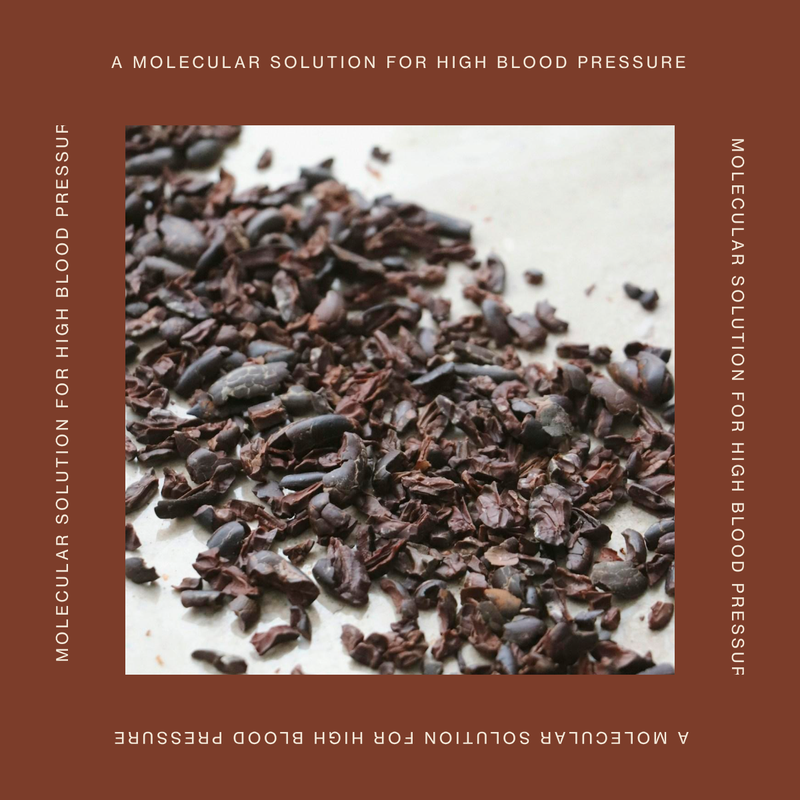
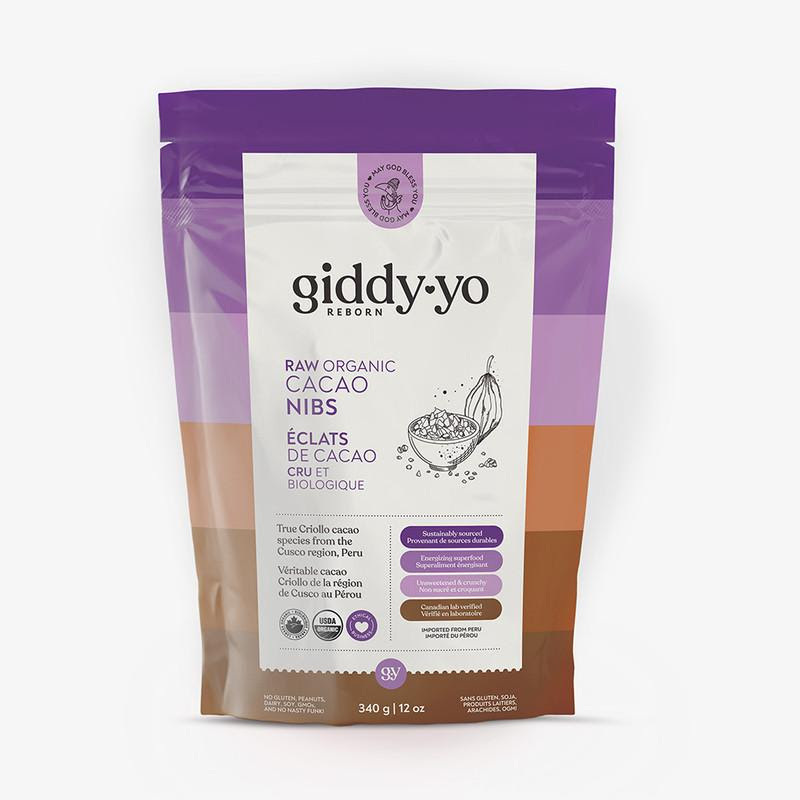
Cacao nibs = crushed cacao beans with the skins removed. Nibs do not melt, are very crunchy and require some good chewing!
Cacao Paste = nibs ground into a fine liquid, solidified, packaged for your enjoyment. Cacao paste melts and tastes like our HUNDO.
Cacao Powder = Cacao paste with 38-40% of the fat mechanically pressed out, finely powdered. Contains the most concentrated form of medicinal cacao molecules.
Cacao Butter = the fat mechanically pressed out of the cacao paste, 100% fat.
The Molecular Solution For High Blood Pressure
By Dr. Dan Gubler
You are at the doctor's office for your yearly wellness checkup.
Your mind is racing and thinking of your long to-do list at work, for your children, around the house, along with the personal goals you want accomplish.
The brain snaps back to the present moment when you hear peeling Velcro and a heavy cuff is secured around your bicep.
The nurse instructs you to hold still for those agonizing moments as the cuff tightens until it feels like your arm is going to break off and then slowly loosens.
Then comes the bad news; your blood pressure is high.
Almost one in three adults worldwide (1.39 billion) have high blood pressure (hypertension).[i] The official medical diagnosis for hypertension is having a systolic blood pressure greater than 130 mmHg or a diastolic pressure greater than 80 mmHg.
[ii]Hypertension is often called the “silent killer” because it gradually damages blood vessels and organs without noticeable symptoms.[iii]High blood pressure for prolonged periods of time leads to an increased risk of heart disease, stroke, kidney disease, dementia, insulin resistance, sexual dysfunction, and vision loss.[iv]
Causes of High Blood Pressure
Blood pressure tends to rise as we age and the arteries stiffen.
Men are at a higher risk of hypertension than women. Having parents or siblings with hypertension puts you genetically predisposed to having hypertension as well. Hypertension rates are seen at a higher prevalence in those of African descent due to differences in salt sensitivity and vascular reactivity.[v]
High sodium and low potassium intake are one of the biggest drivers of developing hypertension. Physical inactivity, excess alcohol intake, and smoking also significantly increases hypertension risk. Insulin resistance, sleep apnea, and high cholesterol are strong contributing factors. Chronic stress, poor sleep, and an overconsumption of ultra-processed foods also increase pressure in the blood vessels. Medications you doctor might have you on can also be the culprit.[vi]
If you have high blood pressure, your doctor will likely prescribe a medication to lower it. However, Mother Nature has made some powerful molecules that can reduce blood pressure naturally.
Cocoa Flavanols - The Molecular Solution
Theobroma cacao is an evergreen shrub that produces cacao beans. These beans, known as the “Food of the Gods”, contain a powerful collection of molecules called cocoa flavanols.[vii] Specific molecules in this family include catechin, epicatechin, catechin gallate, and the procyanidins.
Rigorous scientific studies in humans have found that taking cocoa flavanols each day significantly lowers both systolic and diastolic blood pressure in a natural manner without the need for pharmaceutical drugs.[viii]
Cocoa flavanols lower blood pressure primarily by increasing the body's production of a small molecule called nitric oxide (NO).
[ix]When more nitric oxide is circulating in the body, smooth muscles relax, blood vessels dilate, and the resistance of blood flowing in the circulatory system is reduced.
This results in lowering blood pressure through a natural biological process. Pharmaceutical drugs can lower blood pressure but also cause significant side effects due to the highly reactive nature of these unnatural molecules.
Eating cacao nibs is one of my favorite ways to get large amounts of cocoa flavanols into the body. Cacao nibs are broken pieces of the cacao bean after they have been roasted and the skin on the bean removed.
Cacao nibs are the most natural form of cacao there is, which is why they are so abundant in cocoa flavanols. They are also a rich source of vitamins, minerals, fiber, and other medicinal molecules.[x]
Eat two tablespoons of roasted cacao nibs each day to lower blood pressure naturally. I like to plop the cacao nibs directly into my mouth and eat them that way. Cacao nibs can be added to shakes or smoothies and makes a great topper on yogurt, parfaits, acai bowls, granola, and salads. Store them at room temperature and in an airtight container after opening.
Eating cacao nibs each day is a simple molecular hack that can both lower blood pressure and take your overall health to unprecedented heights!
Please share this newsletter with someone who might be interested in learning more about health and encourage them to sign up for the Molecular Brief at the link here.
To learn more about how molecules can heal our bodies, please listen each week to the Molecules Matter with Dr. Dan podcast here:
I appreciate you and I am grateful to be with you on this molecular journey to greater health and happiness!
Be well,
Dr. Dan
Dr. Dan Gubler, Ph.D.
Organic Chemist | Molecular Expert
References
[i] Mills, Katherine T et al. “The global epidemiology of hypertension.” Nature reviews. Nephrology vol. 16,4 (2020): 223-237. doi:10.1038/s41581-019-0244-2
[ii] Iqbal AM, Jamal SF. Essential Hypertension. [Updated 2023 Jul 20]. In: StatPearls [Internet]. Treasure Island (FL): StatPearls Publishing; 2026 Jan-. Available from: https://www.ncbi.nlm.nih.gov/
[iii] Pokharel, Yashashwi et al. “Hypertension-A Silent Killer Without Global Bounds: What Next?.” Journal of the American College of Cardiology vol. 80,8 (2022): 818-820. doi:10.1016/j.jacc.2022.05.043
[iv] Brașoveanu, A M et al. “High Blood Pressure-A High Risk Problem for Public Healthcare.” Current health sciences journal vol. 45,3 (2019): 251-257. doi:10.12865/CHSJ.45.03.01
[v] Kannel, W B. “Risk factors in hypertension.” Journal of cardiovascular pharmacology vol. 13 Suppl 1 (1989): S4-10. doi:10.1097/00005344-
[vi] Deepshikha et al. “An Overview of Hypertension: Pathophysiology, Risk Factors, and Modern Management.” Current hypertension reviews vol. 21,2 (2025): 64-81. doi:10.2174/
[vii] Martin, María Ángeles, and Sonia Ramos. “Impact of cocoa flavanols on human health.” Food and chemical toxicology : an international journal published for the British Industrial Biological Research Association vol. 151 (2021): 112121. doi:10.1016/j.fct.2021.112121
[viii] Ried, Karin et al. “Effect of cocoa on blood pressure.” The Cochrane database of systematic reviews vol. 4,4 CD008893. 25 Apr. 2017, doi:10.1002/14651858.CD008893.
[ix] Fisher, Naomi D L et al. “Flavanol-rich cocoa induces nitric-oxide-dependent vasodilation in healthy humans.” Journal of hypertension vol. 21,12 (2003): 2281-6. doi:10.1097/00004872-
[x] Souza, Mariane Sampaio da Silveira de et al. “Roasted and Unroasted Cocoa Nibs: Bioactive Compounds Analysis and Application in Cereal Bars.” Foods (Basel, Switzerland) vol. 13,21 3510. 2 Nov. 2024, doi:10.3390/foods13213510